When I went on vacation as a kid, my family would always stay in a hotel with multiple rooms so we could fit everyone, from us kids to Grandma and Grandpa. Now that time has changed, my family would rather stay in one big home we can all share. This is possible through Airbnb.
Although I have the privilege of staying at most hotels, some people do not have this opportunity due to discrimination. Airbnb wants these people to know they are there for them, starting back in 2017 with their #WeAccept campaign.
#WeAccept Campaign video.
What’s the message?
This campaign was created to help promote inclusivity and encourage hosts to welcome guests from diverse backgrounds. The company is committed to providing short-term stays for 100,000 people in need, including refugees, disaster survivors, and relief workers (Graham, 2017).
WHO ARE THEY TARGETING?
Airbnb is targeting the general public to accept people from different backgrounds, stating that everyone deserves the same opportunity to housing. The brand is also targeting potential hosts to avoid bias when choosing guests.
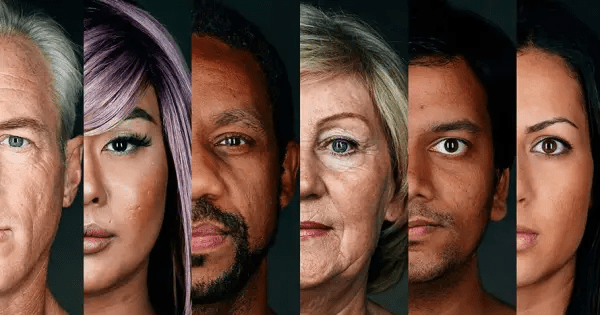
Picture from the #WeAccept campaign.
What did Airbnb do?
The first PR strategy Airbnb used was launching this campaign during the 2017 Super Bowl. This was a clever tactic, since the Super Bowl offers massive brand awareness, with the audience eagerly anticipating the commercials.
As part of its PR strategy, the company launched the hashtag #WeAccept to spark conversation and encourage user-generated content that would spread the word about the campaign, leveraging the power of shared media.
Earned Media
Earned media from this campaign includes nominations for four Shorty Awards, where the campaign won a Gold Honor for Instagram presence. The campaign is Airbnb’s 3rd-largest driver of Earned Impressions of all time, with over 87 million (Shorty Awards).
The hashtag the campaign created, #WeAccept, generated 33,000 tweets in the first half of the Super Bowl, where it was debuted (Shorty Awards).

Picture from the #WeAccept campaign.
Does this campaign align with the brand?
The ad reinforces Airbnb’s mission to create a space where anyone can feel at home regardless of race, religion, or background (Life at Airbnb, 2025). To ensure the public understood how committed Airbnb was to providing short-term housing, Airbnb issued a press release announcing a $4 million donation to the International Rescue Committee (IRC), backing up its words with real action (Gamble, 2019).
Did CRITICISM or challenges occur?
Yes, this campaign was created in response to the backlash the company faced in 2016 over discrimination. Many people, including me, found this campaign’s message meaningful and inclusive for those in need, yet others and I had some issues with it. It was found that the campaign was aired shortly after the U.S. travel ban was announced back in 2017 (Gamble, 2019). This timing led some viewers to believe Airbnb was making a more political statement than supporting the brand’s mission.
To show people that the company stands by supporting others, and that this campaign was not just a political stunt, the company implemented a “community commitment” policy requiring all users to agree to treat everyone with respect and not discriminate (Gamble, 2019). To continue its real action initiative, Airbnb continued its partnership with humanitarian organizations such as the IRC and extended its housing assistance to refugees and others in need (Gamble, 2019).

Picture from the #WeAccept campaign.
What’s next?
When putting myself in the shoes of a PR specialist, I immediately thought of my own experiences with Airbnb. I go back to the memories I made with my family while on vacation in Mexico, memories made possible by Airbnb. I created memories I will never forget with cousins, parents, siblings, nieces and nephews, grandparents, and aunts and uncles. After reflecting on these memories, I want others to have the opportunity to do the same. Since the brand has already addressed inclusivity for all people, the next step Airbnb could implement is to promote travel for all family members. Typically, families get their own rooms at a hotel. Still, with Airbnb, people can travel all over the world while staying in one home for a family vacation, so families can focus on themselves rather than other patrons in hotels.
The campaign will be called Traveling with Generations. It is a global PR campaign that celebrates travel as a bridge between generations. Airbnb will become the link for grandparents, parents, and children. Those who enjoy exploring the world together.
The focus of the campaign is on how travel can bring families closer, preserve traditions, and create new shared memories in a fast world. The campaign repositions Airbnb not just as a place to stay, but as a place to connect.
The target audience for this campaign is all ages. Airbnb wants multigenerational families to come together and create memories. The core message is that family is not about where you are, but it is who you share the journey with. Airbnb helps generations belong anywhere, together.
A concept for this campaign is to partner with family-based content creators to share their experiences traveling as a family while staying at an Airbnb.
By promoting acceptance and belonging, Airbnb sets the stage for a future where travel connects not just places, but people.
Sources
#WeAccept. The Shorty Awards. (n.d.). https://shortyawards.com/2nd-socialgood/weaccept
Life at airbnb. Careers at Airbnb. (2024, March 19). https://careers.airbnb.com/life-at-airbnb/

 Rylee Turner's Blog
Leave a comment